EasyMining is contributing to project efforts to devise circular solutions by recovering nutrients from fish sludge ash.
In western Norway, the waters of the Atlantic flow into the deep glacier-carved inlet of the world’s fifth-largest fjord: the Hardangerfjord. A major centre of aquaculture, it produces over 100,000 tonnes of salmon each year. The floating circles and squares of fish farms are an every-day sight here. Yet something unusual can be spotted among them these days.
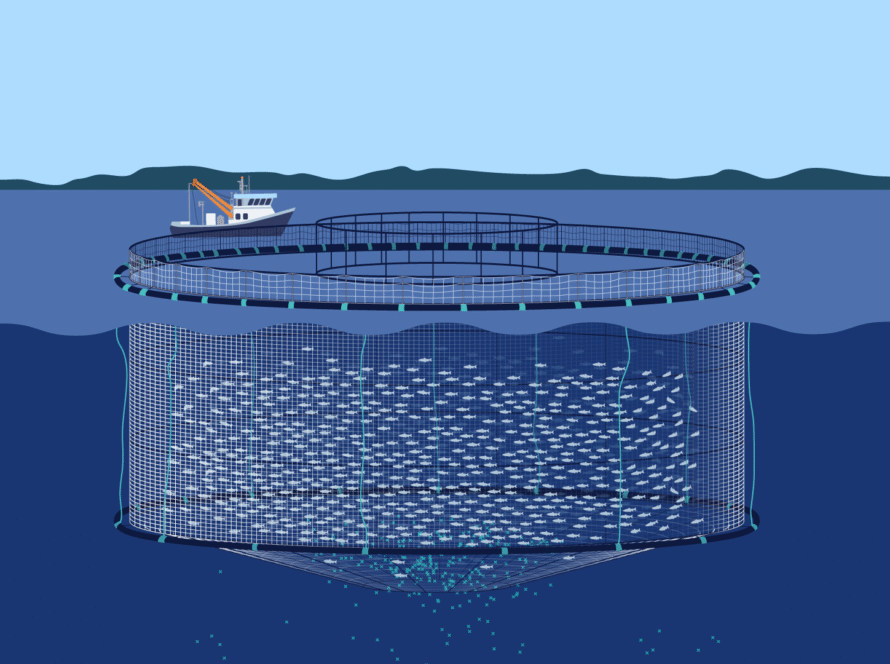
Several of the fjord’s fish pens now have large hoses leading out to nearby storage tanks. Underwater, they’re attached to funnel-like caps that close the normally open-bottomed mesh nets. Each one collects and pumps out excess feed and faecal matter known as “fish sludge” – common fish farming waste that’s also a pollutant.
This is the first step in AQUAPHOENIX, an EU-funded effort to research the ecological effects of fish sludge removal and validate the collected aquaculture waste as a resource, including its potential as a source of recycled nutrients. EasyMining is a key partner in the endeavour.
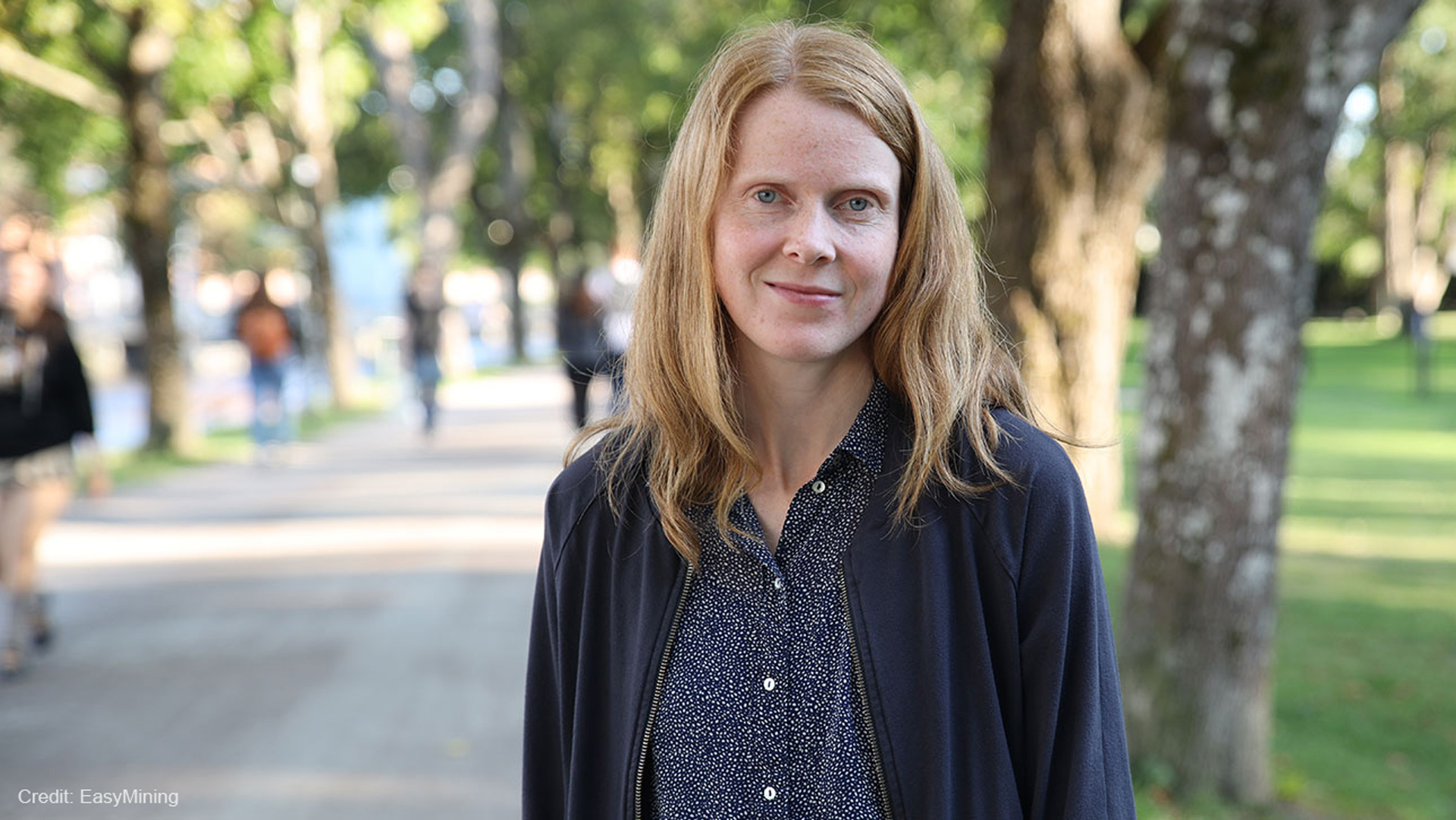
“[AQUAPHOENIX] is a project where fish farmers, researchers, and industry are working together to solve an environmental issue,” says Elin Larsson, R&D engineer and EasyMining’s project lead for AQUAPHOENIX. “It’s collecting something that’s a problem in the marine environment and creating solutions from it,” she adds.
The environmental impact (and potential) of fish sludge
Open pen fish farms release fish sludge into the water and surrounding environment, which can raise water nutrient levels due to its high amounts of nitrogen and phosphorus. This, in turn, can lead to eutrophication, oxygen depletion, and decreased biodiversity. And as aquaculture is the world’s fastest-growing food industry, the issue is especially pressing and difficult to solve.
“To meet the criticality of the problem, it requires so many partners to team up and help each other out and come up with new strategies and ways to handle this problem. If we work together, we can create something that no one else has done before.”
— Elin Larsson, R&D engineer and EasyMining’s project lead for AQUAPHOENIX.
Essential to EasyMining’s role in the AQUAPHOENIX project are its core technologies: Ash2Phos and Aqua2N. According to Larsson, Aqua2N will likely be able to reclaim nitrogen from liquid parts of aquaculture waste just as it does from wastewater. Ash2Phos will need to be adapted to recover phosphorus from the ash that once has been fish sludge in the same way it does for incinerated sewage sludge.
“Fish sludge ash is purer than the ash from sewage sludge. There’s less iron and less aluminium,” she points out.
But no matter what, both processes will be thoroughly assessed and analysed in how well they extract the nutrients.
“We have to optimise and validate everything, empirically prove that it works,” Larsson remarks.
Developing a new value chain from aquaculture waste
Aside from verifying a waste stream as a viable resource, projects like AQUAPHOENIX also offer the unique opportunity to work out the practicalities of a large-scale circular solution.
Transportation of fish sludge across borders remains one of the challenges in developing a circular value chain for sludge. According to Larsson, work is currently ongoing at EU level to clarify how fish sludge should be classified in relevant legislation.
“The value chain is complex and something we really need to work on. Everything from collection to handling the sludge and also the transportation,” Larsson says. Addressing challenges such as hazardous gas formation from decaying organic matter in fish sludge, and identifying optimal desalination and incineration strategies to enable nutrient recovery, are critical to unlocking the full nutrient recovery potential of the AQUAPHOENIX value chain.
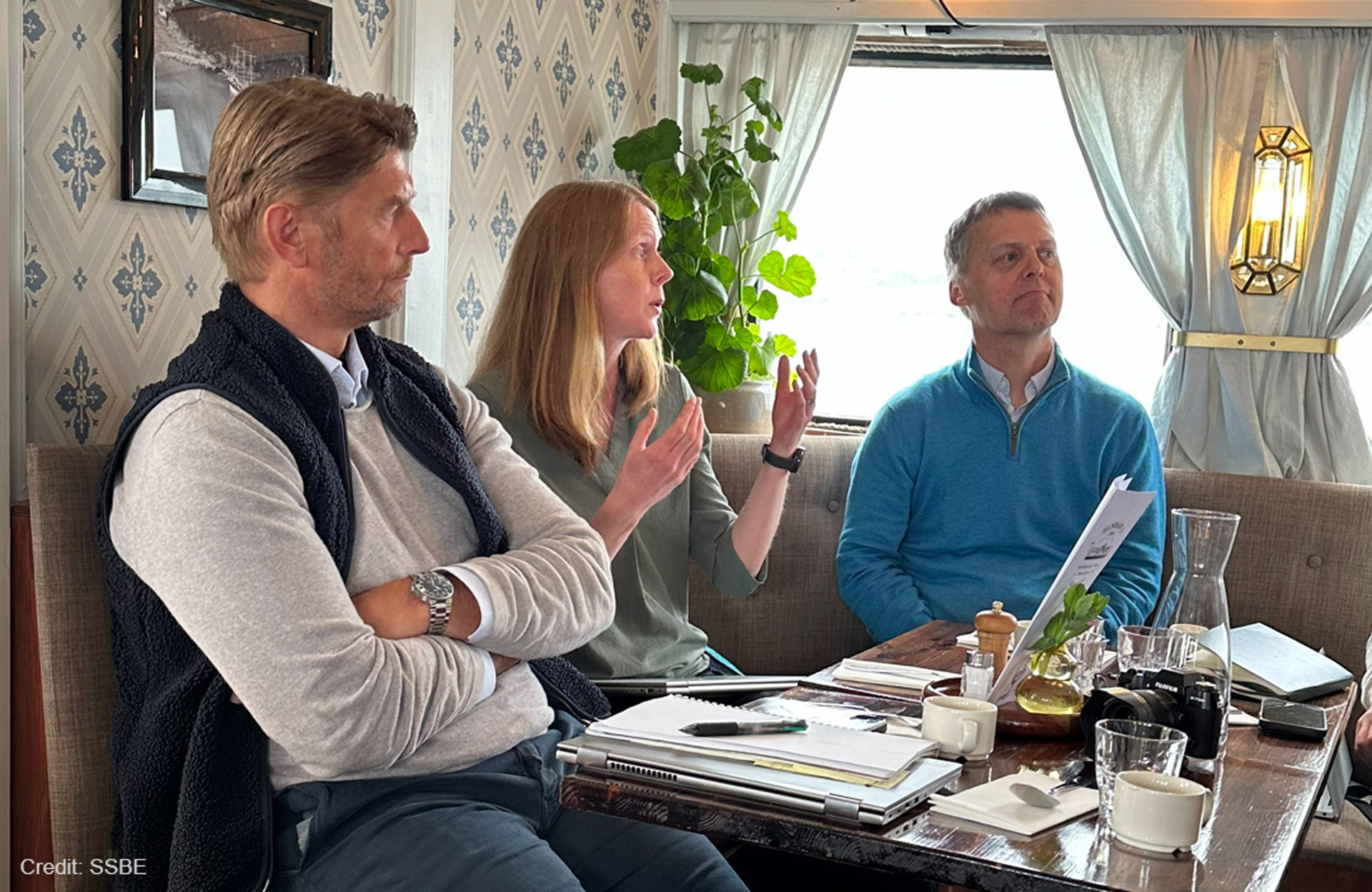
As Larsson underlines, it’s work that perfectly aligns with EasyMining’s overall goal and vision of circular solutions. Developing value chains to utilise the recycled nutrients in fish sludge can provide sustainable alternatives to current nitrogen and phosphorus fertiliser sources, while also helping reduce contributions to climate change and other adverse environmental impacts.
“To actually implement what we’re developing with AQUAPHOENIX on a larger scale can change aquaculture into a more sustainable way of fish farming and also add more circularity in how we live and produce food.”
— Elin Larsson
This article originally appeared on easymining.com. Read the original here. Thanks to Elin Larsson and Lisa Herin Holmberg.